
In short
A cruise works well in all of these situations — often better than a trip on land, because you unpack once and the ship is built to look after people. What makes the difference is choosing the right sailing and telling the cruise line in advance what you need.
Choose your situation


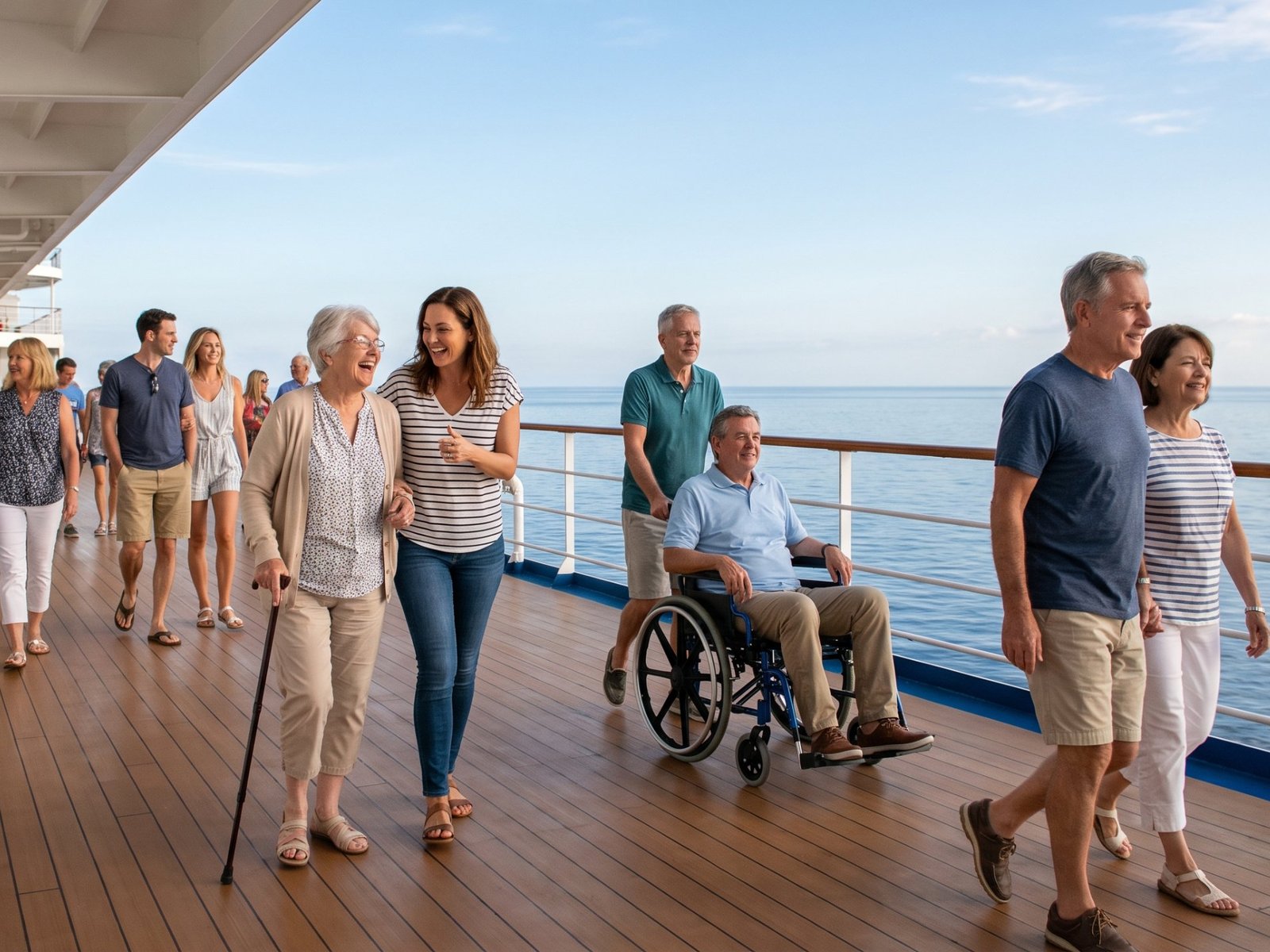
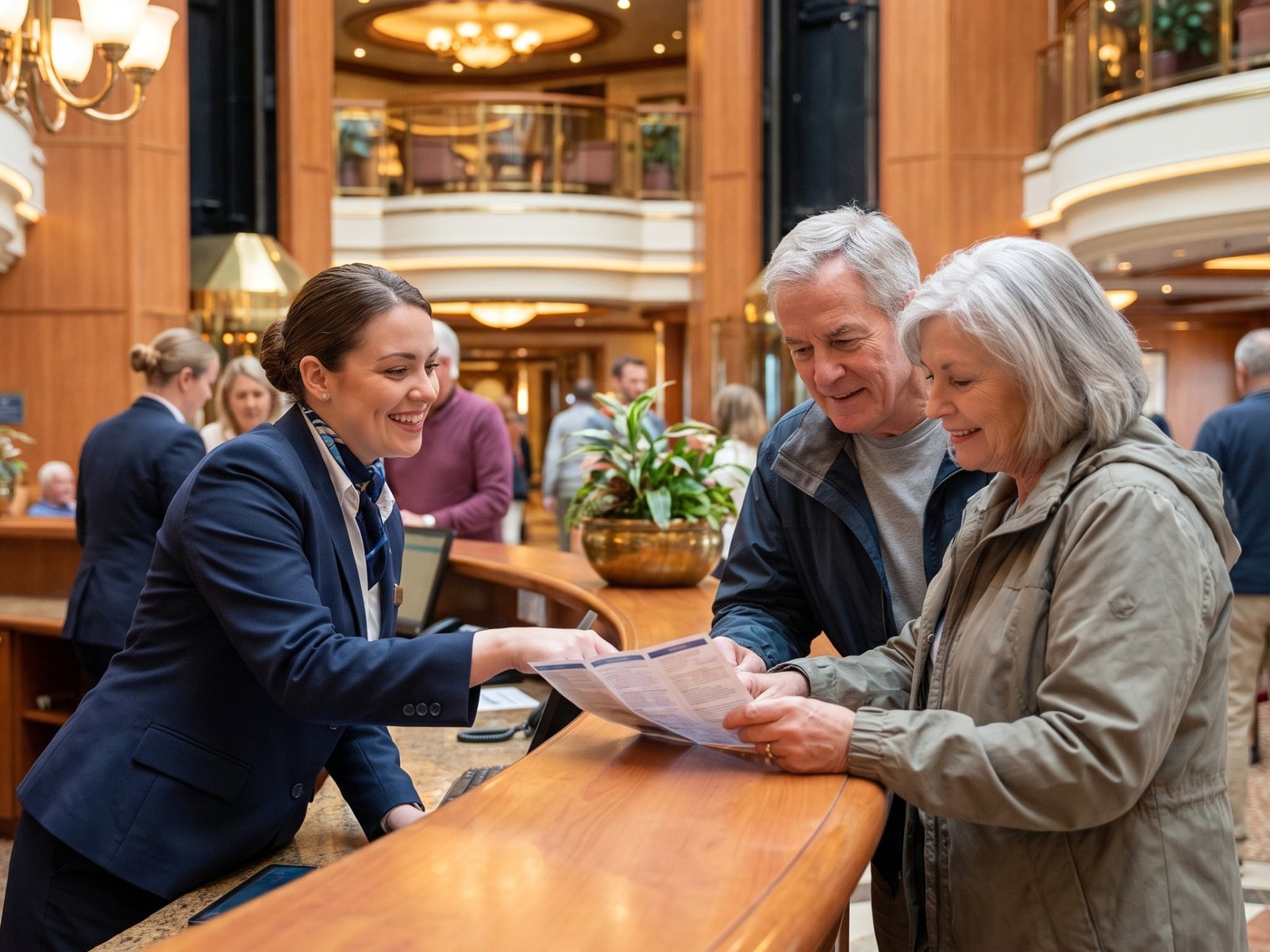
One rule for every situation
Tell the cruise line what you need when you book, not at the terminal. Accessible cabins, cots for babies, special diets, medical equipment and wheelchairs all have to be arranged in advance, and some have deadlines. If something matters to you, ask for it in writing and keep the answer.
- Read the line's rules for your sailing. Policies differ between cruise lines and sometimes between itineraries.
- Take travel insurance that covers medical care abroad. Medical care on board is usually charged separately.
- Choose a short first cruise if you are unsure. Three or four nights is enough to see how it suits you.
Common questions
Is a cruise a good idea if one of us has special needs?
Often yes. You unpack once, there is a lift to every deck, food is always close by and there is a medical centre on board. The key is to choose the right sailing and to tell the cruise line in advance.
Who should I tell about special needs?
The cruise line, through whoever makes the booking. Do it at the time of booking: some requests have deadlines, and accessible cabins are limited.
Where do I start if I have never cruised?
Read our first cruise checklist and then the guide for your situation. A short sailing from a port you can reach without flying is the easiest start.
General information based on the published policies of cruise lines; rules differ by line and can change, so check the conditions for your sailing. Reislite is an independent information site run by partners, not a website of inCruises.